
Dark Night of the Soul.
To determine the internal structure of this poem, it is necessary to know that it develops the three ways or paths that the Soul has to follow until the mystical union with God. These ways are known as the purgative way, the illuminative way, and the unitive way.
– In a purgative way, the Soul gradually frees itself from its passions and purifies itself of its sins;
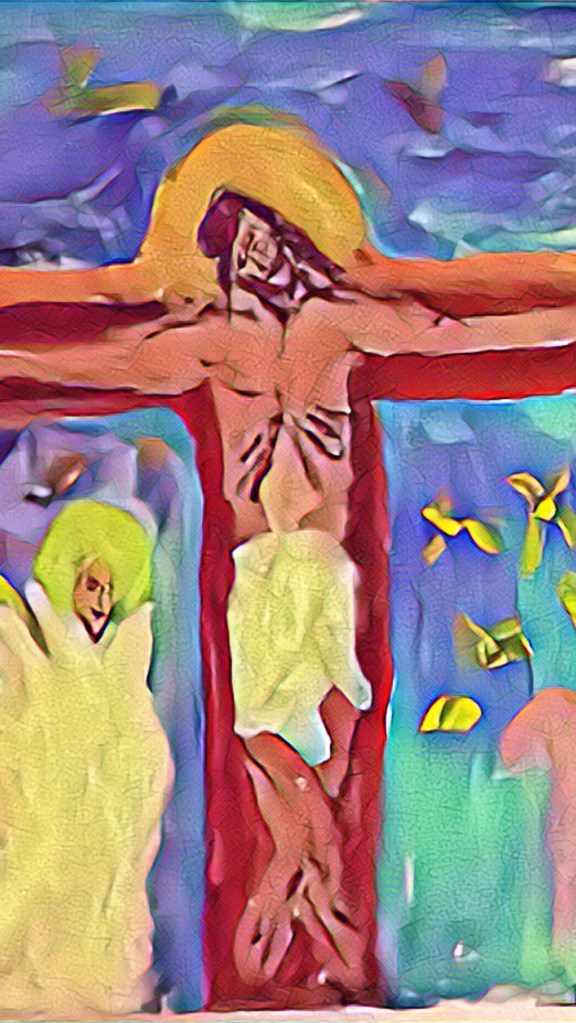
– in an illuminative way, the Soul is enlightened by the consideration of the eternal goods and of the passion and redemption of Christ;
– Finally, by means of the unitive way, the Soul attains union with God, according to the way defined by St. John of the Cross as “spiritual marriage.”
To express this spiritual union, mystical writers use images taken from human love. Thus, human love is how the mystics explain divine love: the Soul will be the Bride or Beloved and Christ the Bridegroom or Beloved.
I do not know how the metric is counted in English, but St. John uses La Lira. La Lira is a stanza of Italian origin brought to Spain by Garcilaso de la Vega in his song “A la flor de Gnido.” This stanza consists of two hendecasyllables (the second and fifth lines) and three heptasyllabic: its rhyme is consonant, and the rhymes are distributed as follows: 7a 11B 7a 7b 11B.
Noche oscura del alma
(San Juan de la Cruz)
En una noche escura,
con ansias en amores inflamada,
¡oh dichosa ventura!,
salí sin ser notada,
estando ya mi casa sosegada.
I
A escuras y segura
por la secreta escala, disfrazada,
¡oh dichosa ventura!,
a escuras y en celada,
estando ya mi casa sosegada.
II
En la noche dichosa,
en secreto, que nadie me veía
ni yo miraba cosa,
sin otra luz y guía
sino la que en el corazón ardía.
III
Aquesta me guiaba
más cierto que la luz del mediodía,
adonde me esperaba
quien yo bien me sabía,
en parte donde nadie parecía.
IV
¡Oh noche, que guiaste;
oh noche amable más que el alborada;
oh noche que juntaste
Amado con amada,
amada, con el Amado transformada!
V
En mi pecho florido,
que entero para él solo se guardaba,
allí quedó dormido,
y yo le regalaba
y el ventalle de cedros aire daba.
VI
El aire del almena,
cuando yo sus cabellos esparcía,
con su mano serena
en mi cuello hería
y todos mis sentidos suspendía.
VII
Quedéme y olvidéme,
el rostro recliné sobre el Amado;
cesó todo y dejéme,
dejando mi cuidado
entre las azucenas olvidado.
——————–
I.
In a dark night,
With anxious love inflamed,
O, happy lot!
Forth unobserved I went,
My house being now at rest.
II.
In darkness and in safety,
By the secret ladder, disguised,
O, happy lot!
In darkness and concealment,
My house being now at rest.
III.
In that happy night,
In secret, seen of none,
Seeing nought myself,
Without other light or guide
Save that which in my heart was burning.
IV.
That light guided me
More surely than the noonday sun
To the place where He was waiting for me,
Whom I knew well,
And where none appeared.
V.
O, guiding night;
O, night more lovely than the dawn;
O, night that hast united
The lover with His beloved,
And changed her into her love.
VI.
On my flowery bosom,
Kept whole for Him alone,
There He reposed and slept;
And I cherished Him, and the waving
Of the cedars fanned Him.
VII.
As His hair floated in the breeze
That from the turret blew,
He struck me on the nec
With His gentle hand,
And all sensation left me.
VIII.
I continued in oblivion lost,
My head was resting on my love;
Lost to all things and myself,
And, amid the lilies forgotten,
Threw all my cares away.
Noche oscura del alma.
Dark Night of the Soul.
To determine the internal structure of this poem, it is necessary to know that it develops the three ways or paths that the Soul has to follow until the mystical union with God. These ways are known as the purgative way, the illuminative way, and the unitive way.
– In a purgative way, the Soul gradually frees itself from its passions and purifies itself of its sins;
– in an illuminative way, the Soul is enlightened by the consideration of the eternal goods and of the passion and redemption of Christ;
– Finally, by means of the unitive way, the Soul attains union with God, according to the way defined by St. John of the Cross as “spiritual marriage.”
To express this spiritual union, mystical writers use images taken from human love. Thus, human love is how the mystics explain divine love: the Soul will be the Bride or Beloved and Christ the Bridegroom or Beloved.
I do not know how the metric is counted in English, but St. John uses La Lira. La Lira is a stanza of Italian origin brought to Spain by Garcilaso de la Vega in his song “A la flor de Gnido.” This stanza consists of two hendecasyllables (the second and fifth lines) and three heptasyllabic: its rhyme is consonant, and the rhymes are distributed as follows: 7a 11B 7a 7b 11B.
Noche oscura del alma
(San Juan de la Cruz)
En una noche escura,
con ansias en amores inflamada,
¡oh dichosa ventura!,
salí sin ser notada,
estando ya mi casa sosegada.
I
A escuras y segura
por la secreta escala, disfrazada,
¡oh dichosa ventura!,
a escuras y en celada,
estando ya mi casa sosegada.
II
En la noche dichosa,
en secreto, que nadie me veía
ni yo miraba cosa,
sin otra luz y guía
sino la que en el corazón ardía.
III
Aquesta me guiaba
más cierto que la luz del mediodía,
adonde me esperaba
quien yo bien me sabía,
en parte donde nadie parecía.
IV
¡Oh noche, que guiaste;
oh noche amable más que el alborada;
oh noche que juntaste
Amado con amada,
amada, con el Amado transformada!
V
En mi pecho florido,
que entero para él solo se guardaba,
allí quedó dormido,
y yo le regalaba
y el ventalle de cedros aire daba.
VI
El aire del almena,
cuando yo sus cabellos esparcía,
con su mano serena
en mi cuello hería
y todos mis sentidos suspendía.
VII
Quedéme y olvidéme,
el rostro recliné sobre el Amado;
cesó todo y dejéme,
dejando mi cuidado
entre las azucenas olvidado.
——————–
I.
In a dark night,
With anxious love inflamed,
O, happy lot!
Forth unobserved I went,
My house being now at rest.
II.
In darkness and in safety,
By the secret ladder, disguised,
O, happy lot!
In darkness and concealment,
My house being now at rest.
III.
In that happy night,
In secret, seen of none,
Seeing nought myself,
Without other light or guide
Save that which in my heart was burning.
IV.
That light guided me
More surely than the noonday sun
To the place where He was waiting for me,
Whom I knew well,
And where none appeared.
V.
O, guiding night;
O, night more lovely than the dawn;
O, night that hast united
The lover with His beloved,
And changed her into her love.
VI.
On my flowery bosom,
Kept whole for Him alone,
There He reposed and slept;
And I cherished Him, and the waving
Of the cedars fanned Him.
VII.
As His hair floated in the breeze
That from the turret blew,
He struck me on the neck
With His gentle hand,
And all sensation left me.
VIII.
I continued in oblivion lost,
My head was resting on my love;
Lost to all things and myself,
And, amid the lilies forgotten,
Threw all my cares away.
 Israel Centeno Author
Leave a comment