
One afternoon, almost evening, I found Lucas at the Three Crosses bar. I had with me a volume of stories by an unknown author from Cantabria del Llano. Lucas asked me if the author really existed, and I threw the question back at him: Which town? The one in the stories? No, kid, Cantabria del Llano. I replied laconically: the doubt offends, friend.
—What are you drinking? —I asked.
—A screwdriver to see off the day, I’m tired and sad —he replied.
I wanted to console him and said:
—Like everyone. That’s why I read.
—And does that make a difference? —he asked.
—No, it really doesn’t. I feel fucking alone but full of ghosts.
—Just like me —Lucas replied—. So, you don’t know the author? He’s really good, though a bit of a mythomaniac for my taste.
He took the drink to his mouth and, in a long gulp like the hiss of a lizard, added:
—Aren’t fiction writers just liars without a trade —then he let out a short and convulsive laugh—. Mythomaniac, indeed.
I thought about the turn of our conversation and, in reaction, returned the sarcasm:
—I was referring to his real life, in his day-to-day. Excuse my lack of commas in the conversation.
He took another drink, this time as short as a sigh:
—I don’t want to sound philosophical —he said—, but your crap about Cantabria del Llano and the truthfulness of writers tastes like raspberry to me.
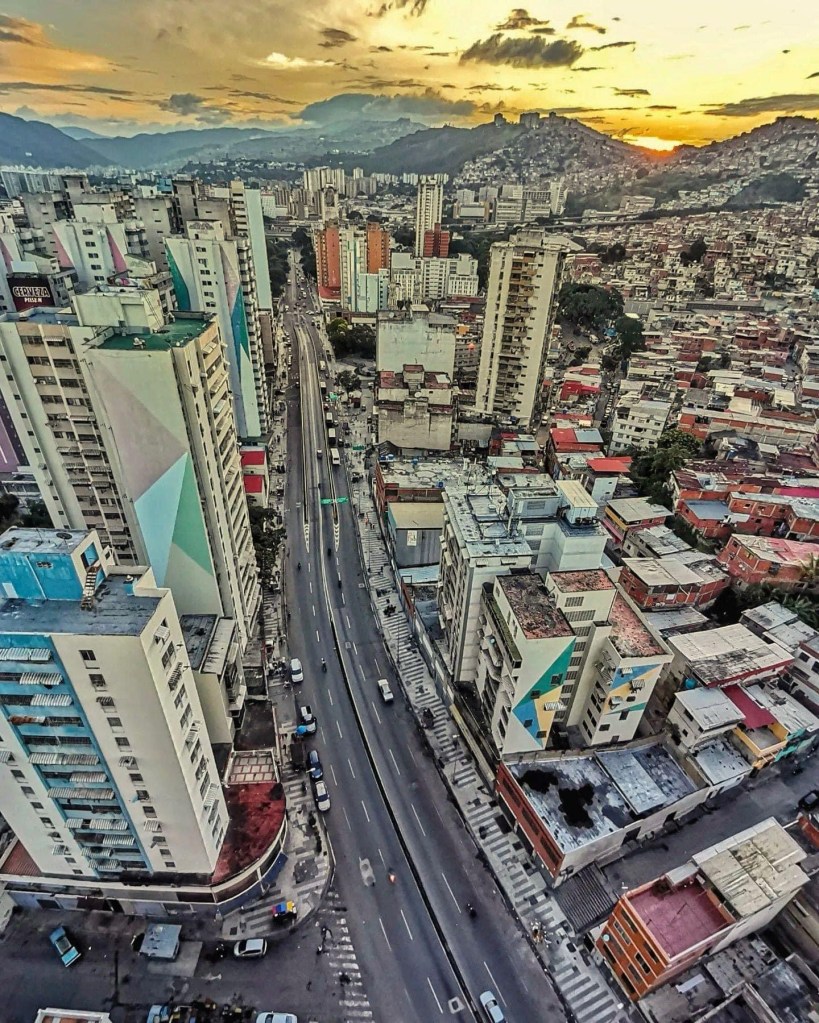
We stayed drinking in silence, sitting next to each other at the bar, listening to the ambient songs. It was harsh music, a lament to the eardrums. We measured our capacity to tolerate each other without commenting, without adding another point to our past conversation. I could have started meditating, contemplating like a mystic, in that desolate bar. It was like a hermitage for drinkers in a place that was once called Sabana Grande. Not even the ghosts would come around to see what had become of their haunts.
The bartender passed the cloth over the bar and made a comment:
—This is a godforsaken world, so many whores, so many whores.
I heard him as if he were prophesying in tongues and murmured:
—God doesn’t abandon brothels.
Lucas gave a dry snap and ordered another screwdriver:
—Bah! —he exclaimed—. Don’t start preaching because we’d come to the conclusion of how necessary sin is in the world to give existence to God.
I began to get fed up with Lucas and his attitude. I remembered that I had dreamed of my friends from years ago. We were all in a bookstore around the corner from this bar, a dead spot that no longer exists, a blot in reality. We were young then and impertinent, our future full of promises and the night full of chatter. We were presenting someone’s book, and I arrived drunk like a sailing ship, kissing Marita and Francisco, telling them that I had never written the book attributed to me. She laughed a lot. They were there, in a fold of the dream, returning my smile with bitter laughter. I realized that those were bitter years; none of us were what we promised to be. Lucas had just published his first novel and presented himself to the world as a man with a work. He exclaimed:
—Work and faith, my friend, not just by faith shall man be saved.
Very Catholic, very drunk. I came back from that dream thinking that I should read the Cantabrian authors, especially those who live in the Llano, near the moriches. Those write well; at least they don’t pretend to be in this world —Lucas would have commented. It’s true, only in the abandoned, in the forgotten, in the recurring dreams, and in this life does the promise of a merciful God and the possibility of reconciling with Him make sense of relief.
I looked beside me at the bar, once full of people, buzzing like hornets with noses stuffed with coke, seeking to nullify any meaning life had. Now it was all ghosts, in the stories of this mythomaniac author from Cantabria del Llano.
 Israel Centeno Author
Leave a comment