
Israel Centeno
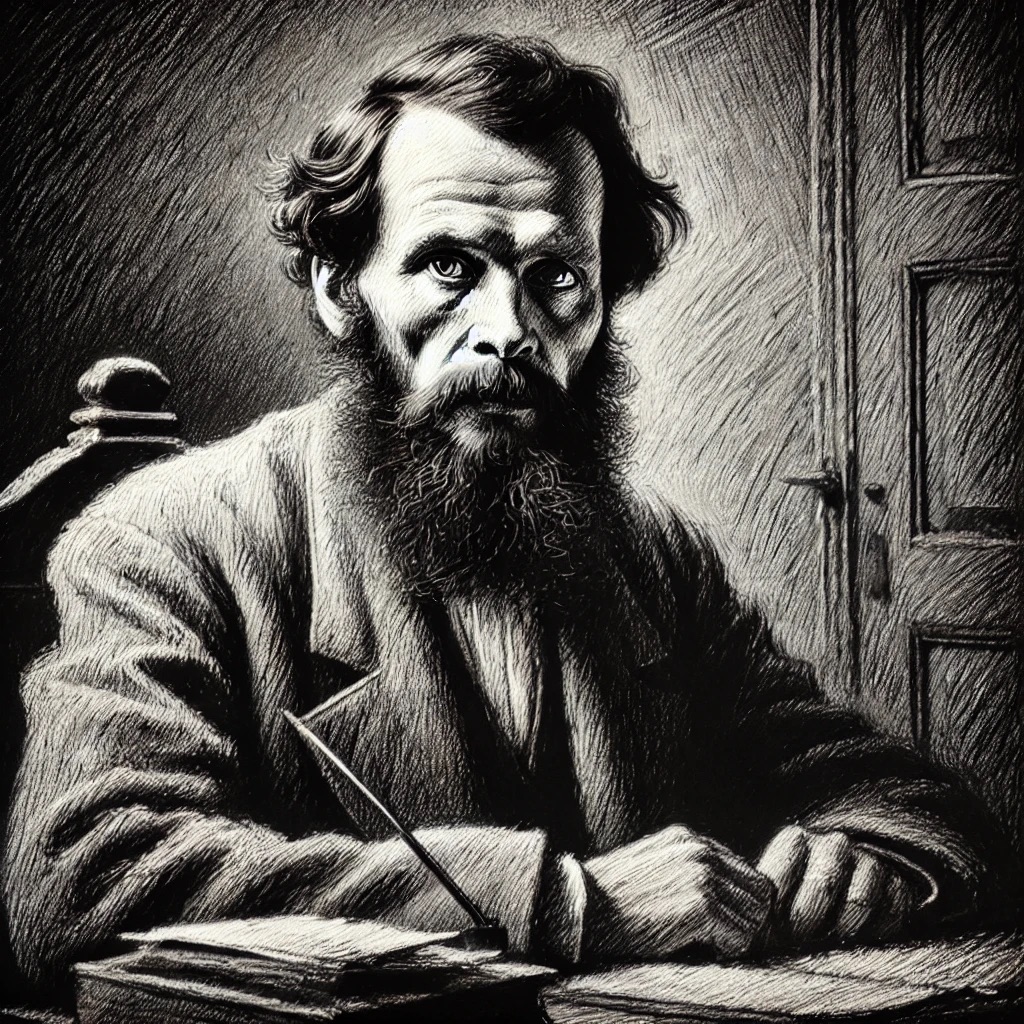
“The Brothers Karamazov” by Fyodor Dostoevsky explores profound theological and philosophical questions, particularly through the characters of Ivan and Alyosha Karamazov. Ivan challenges the idea of a just and benevolent God by highlighting the suffering of innocent children. He poignantly questions how such suffering can exist in a universe governed by a loving God, famously stating that he’s “returning his ticket” to such a world. Alyosha, the devout younger brother, responds not with a theological argument but with an act of love and empathy.
In the parable of “The Grand Inquisitor,” Ivan recounts a story where Jesus returns to Earth and is condemned by the Church for burdening humanity with the gift of free will. The Grand Inquisitor claims that humans are happier without freedom, which leads to suffering, and justifies the authoritarian control of the Church as a means to provide security and order. After the Grand Inquisitor’s long monologue, Alyosha responds by kissing his brother Ivan on the lips, mirroring Christ’s response to humanity’s challenges with an act of unconditional love. This silent gesture embodies several key points:
Love Over Logic
Alyosha’s kiss signifies the triumph of Christ-like love over intellectual arguments. It shows that love is a more profound answer to human suffering than any rational debate.
Faith Beyond Reason
The kiss represents Alyosha’s belief that faith and love transcend human logic. It emphasizes that ultimate truths about God and humanity are better understood through acts of love and faith than through purely intellectual discourse.
Christ-Like Response
By kissing Ivan, Alyosha embodies the essence of Christ’s teachings—responding to misunderstanding and suffering not with arguments, but with love and compassion, much like Christ’s own response to his persecutors. This key moment in Dostoevsky’s work reflects a profound belief that the solution to profound questions of faith and suffering lies not in human logic alone but in embodying divine love and compassion. Alyosha’s kiss, a silent yet powerful act, underscores this faith perspective.
Father Zosima’s Teachings
Father Zosima, the elder monk, offers a more comprehensive spiritual and philosophical counterpoint to Ivan’s skepticism earlier in the novel. He emphasizes the importance of love, humility, and the interconnectedness of all humanity in bearing each other’s sufferings. Zosima’s teachings and his life story emphasize forgiveness, redemption, and communal responsibility:
“Each of us is guilty before everyone and for everything, and I more than anyone else.” (The Brothers Karamazov, Book VI, Chapter III)
By embracing this radical sense of personal responsibility and communal interdependence, Zosima suggests that suffering can be transformed through love and solidarity.
Alyosha’s Journey
Alyosha himself evolves throughout the novel, moving from his initial, almost instinctive acts of love (such as the kiss) to a deeper, more mature understanding of faith. His relationships with other characters, such as Lise and the children, especially Ilyusha, demonstrate his growing awareness of the complexities of human suffering and the need for compassion.
The Role of Suffering for Redemption
The novel also hints at a broader Christian narrative where suffering isn’t just a senseless burden but can have a redemptive quality. This is explored through the suffering of different characters and how they either despair or find meaning through their trials. This reflects a deeper Christian theological perspective, though it’s presented more through lived experiences than through direct argumentation.
Ivan’s Own Struggles
Interestingly, Ivan himself isn’t left entirely unchallenged by his own atheistic existentialism. His encounters with the devil in “The Devil. Ivan Fyodorovich’s Nightmare” reflect his inner torment and the insufficiency of his rationalism to provide solace or true moral grounding. This inner conflict suggests a form of argument that reason alone isn’t adequate to address the deepest questions of human existence and suffering.
Dmitri’s Transformations
Dmitri Karamazov’s experiences and transformation towards the end of the novel also provide a narrative counterpoint to Ivan’s arguments. Through his intense suffering and repentance, Dmitri begins to find a form of redemption, reflecting Dostoevsky’s belief in the possibility of moral and spiritual resurrection through suffering.
Smerdyakov and Moral Responsibility
Smerdyakov’s actions and philosophies, influenced partially by Ivan’s skeptical ideals, demonstrate the darker consequences of rejecting moral and spiritual foundations. His nihilism contrasts sharply with the ultimate values espoused by Zosima and Alyosha.
Alyosha’s Final Declarations
In the novel’s closing scenes, Alyosha speaks to the group of boys about faith, hope, and love. He tells them to remember the love they share and to live virtuously, emphasizing the importance of brotherhood and living a life of meaningful relationships:
“Let us never forget how good it was when we were all together, united by such a good and kind feeling, which made us, for the time we loved that poor boy, better perhaps than we are.” (The Brothers Karamazov, Book XII, Epilogue)
While there is no single, direct argumentative rebuttal to Ivan’s challenges later in the novel, The Brothers Karamazov richly integrates responses through its characters’ development, their existential struggles, and the embodiment of deeply Christian values of love, sacrifice, and communal responsibility. Through the narrative, Dostoevsky suggests that human suffering and the quest for divine justice cannot be fully comprehended or resolved through intellectual arguments alone but are intimately tied to lived experience, love, and moral action.
 Israel Centeno Author
Leave a comment