
Israel Centeno
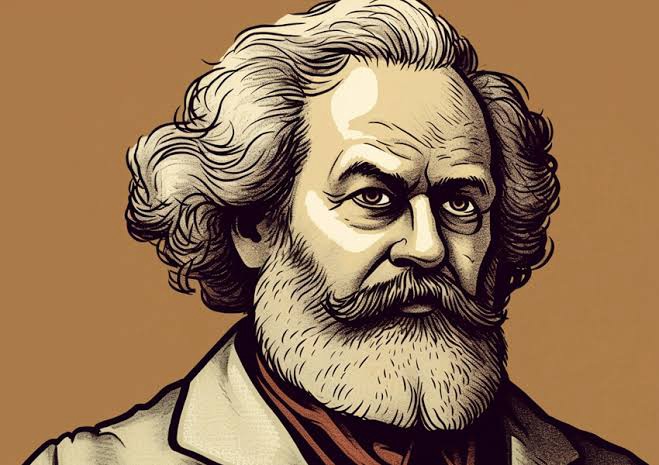
Karl Marx’s ideology has left an indelible mark on history, shaping the worldview and actions of every tyrant who followed in his wake. The hate of class, a central tenet of Marxist thought, has been the driving force behind the most destructive and repressive regimes of the 20th century and beyond. The statues we see being torn down today, from Confederate generals to figures like Abraham Lincoln and Frederick Douglass, are casualties in a broader war that traces its roots directly to Marx’s ideas.
Marx himself was explicit in his desire to tear down the existing social and political order. In his “Communist Manifesto,” he famously declared that communism represents “the most radical rupture in traditional relations,” seeking to “abolish the present state of things.” This wasn’t mere rhetoric; it was a call to action that has reverberated through the centuries, inspiring movements that seek to overthrow the established order, regardless of the cost in human lives and societal stability.
Lenin, Stalin, Mao, and countless other tyrants who rose to power in the name of communism were not aberrations or distortions of Marxism; they were its direct heirs. They took Marx’s ideas to their logical extreme, implementing policies of class hatred and systemic violence that resulted in the deaths of millions. The notion of a “permanent revolution,” a concept Marx himself championed, has justified endless cycles of purges, executions, and repression, all in the name of an elusive utopia.
The hate of class, central to Marxist ideology, has been the bedrock of every regime that has attempted to implement Marx’s vision. It is this hate that has justified the destruction of entire social groups, the suppression of individual rights, and the erosion of cultural and religious institutions. When we see statues of historical figures being defaced or toppled, it is not just an attack on the individuals they represent; it is a manifestation of the Marxist impulse to destroy all that is associated with the old order.
Marx’s influence goes beyond just the intellectual foundations of communism. His writings are filled with a profound animosity towards the existing world, an animosity that has been echoed by every totalitarian leader who has sought to reshape society in his image. His fascination with the destruction of the old world is evident in his works, where he calls for the “ruthless criticism of all that exists” and aligns himself with the demonic figure of Mephistopheles, who declares that “everything that exists deserves to perish.”
This nihilistic drive has been the hallmark of Marxist-inspired revolutions. The idea that society must be destroyed to be rebuilt anew has led to some of the most brutal and repressive regimes in history. Marx’s call for the “forcible overthrow of all existing social conditions” has been taken up by every tyrant who sought to justify their rule through the lens of class struggle and revolutionary change.
As we witness the current wave of statue destruction and the broader cultural upheaval, it is essential to recognize that these actions are not isolated incidents. They are the continuation of a Marxist tradition that seeks to tear down the pillars of society in the name of a radical transformation. Whether the individuals involved in these actions are aware of it or not, they are following a path laid down by Marx himself, a path that has led to untold suffering and devastation.
In conclusion, the legacy of Karl Marx is not just one of philosophical speculation; it is a legacy of blood and destruction. Every tyrant who has risen in the name of Marxism has done so with the explicit goal of tearing down the existing order, fueled by a deep-seated hatred of class and a desire to reshape society according to Marxist principles. The statues being torn down today are just the latest victims in this ongoing war against history, culture, and civilization itself.
La ideología de Karl Marx ha dejado una marca indeleble en la historia, moldeando la cosmovisión y las acciones de cada tirano que siguió en su estela. El odio de clase, un principio central del pensamiento marxista, ha sido la fuerza impulsora detrás de los regímenes más destructivos y represivos del siglo XX y más allá. Las estatuas que vemos siendo derribadas hoy, desde generales confederados hasta figuras como Abraham Lincoln y Frederick Douglass, son bajas en una guerra más amplia que tiene sus raíces directamente en las ideas de Marx.
Marx mismo fue explícito en su deseo de derribar el orden social y político existente. En su “Manifiesto Comunista”, declaró famosamente que el comunismo representa “la ruptura más radical en las relaciones tradicionales”, buscando “abolir el estado actual de las cosas”. Esto no era mera retórica; era un llamado a la acción que ha resonado a lo largo de los siglos, inspirando movimientos que buscan derrocar el orden establecido, sin importar el costo en vidas humanas y la estabilidad social.
Lenin, Stalin, Mao y muchos otros tiranos que llegaron al poder en nombre del comunismo no fueron aberraciones o distorsiones del marxismo; fueron sus herederos directos. Llevaron las ideas de Marx a su extremo lógico, implementando políticas de odio de clase y violencia sistémica que resultaron en la muerte de millones. La noción de una “revolución permanente”, un concepto que el propio Marx defendió, ha justificado ciclos interminables de purgas, ejecuciones y represión, todo en nombre de una utopía esquiva.
El odio de clase, central en la ideología marxista, ha sido el fundamento de cada régimen que ha intentado implementar la visión de Marx. Es este odio lo que ha justificado la destrucción de grupos sociales enteros, la supresión de derechos individuales y la erosión de instituciones culturales y religiosas. Cuando vemos estatuas de figuras históricas siendo desfiguradas o derribadas, no es solo un ataque a los individuos que representan; es una manifestación del impulso marxista de destruir todo lo que está asociado con el viejo orden.
La influencia de Marx va más allá de los fundamentos intelectuales del comunismo. Sus escritos están llenos de una profunda animosidad hacia el mundo existente, una animosidad que ha sido eco de cada líder totalitario que ha buscado remodelar la sociedad a su imagen. Su fascinación con la destrucción del viejo mundo es evidente en sus obras, donde pide la “crítica despiadada de todo lo que existe” y se alinea con la figura demoníaca de Mefistófeles, quien declara que “todo lo que existe merece perecer”.
Este impulso nihilista ha sido el sello distintivo de las revoluciones inspiradas en el marxismo. La idea de que la sociedad debe ser destruida para ser reconstruida de nuevo ha llevado a algunos de los regímenes más brutales y represivos de la historia. El llamado de Marx para el “derrocamiento violento de todas las condiciones sociales existentes” ha sido adoptado por cada tirano que buscó justificar su gobierno a través del lente de la lucha de clases y el cambio revolucionario.
A medida que presenciamos la actual ola de destrucción de estatuas y la agitación cultural más amplia, es esencial reconocer que estas acciones no son incidentes aislados. Son la continuación de una tradición marxista que busca derribar los pilares de la sociedad en nombre de una transformación radical. Ya sea que los individuos involucrados en estas acciones lo sepan o no, están siguiendo un camino trazado por el propio Marx, un camino que ha llevado a un sufrimiento y devastación incalculables.
El legado de Karl Marx no es solo uno de especulación filosófica; es un legado de sangre y destrucción. Cada tirano que ha surgido en nombre del marxismo lo ha hecho con el objetivo explícito de derribar el orden existente, impulsado por un odio profundo hacia la clase y un deseo de remodelar la sociedad según los principios marxistas. Las estatuas que se derriban hoy son solo las últimas víctimas en esta guerra continua contra la historia, la cultura y la civilización misma.
 Israel Centeno Author
Leave a comment