
Israel Centeno
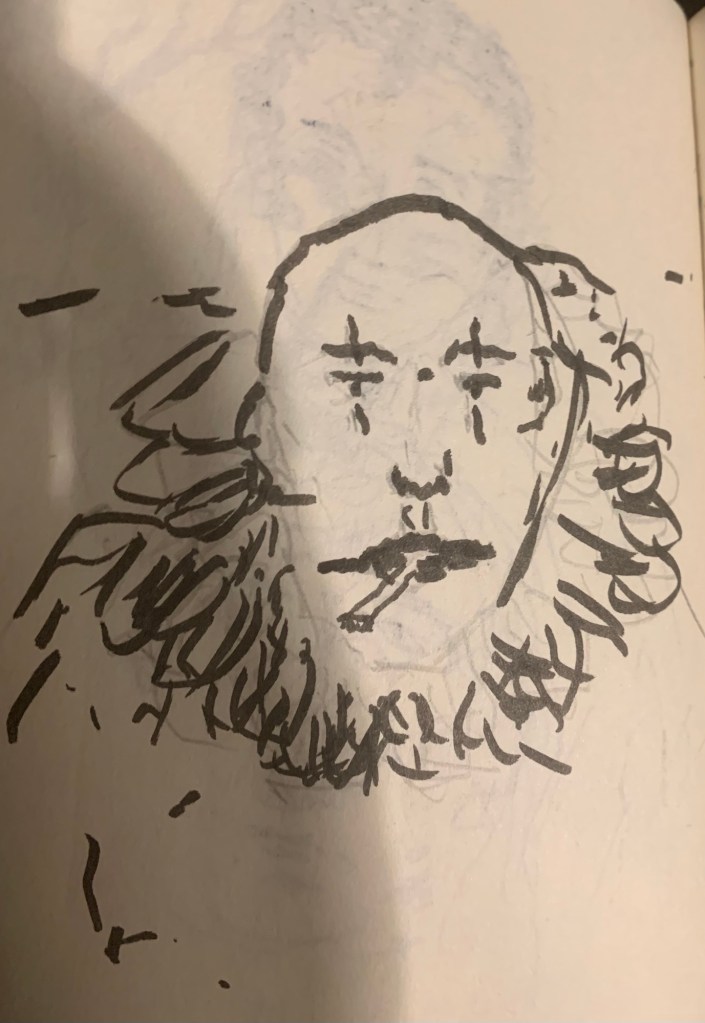
As we prepare to celebrate Halloween, a season often associated with lighthearted scares and costumes, it’s worth taking a moment to reflect on the nature of horror, particularly as it is consumed through literature and film. From the clumsy monsters of zombie movies to the cursed towns that populate the screen, much of what we watch around this time of year elicits a familiar thrill. Yet, beneath the blood, gore, and cheap jump scares, there is often a lack of the deeper verisimilitude needed for true empathy and terror. We can be startled, but the horror on screen rarely reaches into our souls with the kind of dread that makes us believe, even subconsciously, that what we are witnessing could happen to us.
This disconnection often stems from the characters themselves. In much of contemporary horror, particularly in American Horror Story and similar narratives, the characters at first glance are flat, pathetic, and lacking in charm. They often seem repetitive, mere shadows of more complex figures in past horror works. However, it is precisely this ordinariness—the near total absence of interesting lives or narratives worth telling—that writers like Stephen King and H.P. Lovecraft have mined to terrifying effect. These authors have found riches in exposing the horrors within the most mundane aspects of life. Their characters are not extraordinary heroes or villains, but everyday people: clumsy, comical failures, and losers who lack the brilliance or intelligence to produce horror on their own. It is in these common men and women, in the innocence of children, where evil takes root, waiting for the right circumstances to express itself.
This is where Hannah Arendt’s concept of the “banality of evil” enters the conversation. In the right conditions, even your unassuming neighbor can become the source of your greatest suffering. The housewife, the failed professional, the kindly old man—each can transform into something far more sinister. These figures, so well adapted to the shadows, can cause unspeakable harm from those very shadows. The horror of the common person is not in their deliberate wickedness but in their capacity for evil, often hidden behind the mask of normalcy. In this way, the vampire of Bram Stoker’s Dracula—once a decadent nobleman—has been democratized. Today’s vampires, zombies, and monsters are not aristocratic or supernatural beings, but the common man, bereft of heroic or anti-heroic qualities. These characters represent the terror of being nothing, of being futile, caught in a cycle of mediocrity and passive resentment, waiting for the day when they can exact revenge.
The Everyday Face of Horror
The most successful American horror films are populated by these types of characters—ordinary people who are capable of extraordinary evil when given the right opportunities. These are the characters you should seek out in horror movies this Halloween. They are not glamorous or heroic, nor are they towering figures of villainy. Instead, they are the people you see every day: the man next door, the woman you pass at the grocery store, the child playing in the park. They are unsettling precisely because they are so ordinary, so forgettable, and yet capable of the most unimaginable horrors.
At first glance, much of what passes as horror entertainment today seems disconnected from reality. Zombie movies, for instance, tend to lean heavily on the grotesque—on the graphic and explicit representation of terror. However, beneath the surface lies a deep anxiety that resonates with our everyday lives. Stephen King, for example, has long written about the terror lurking in the mundane. His monsters are often secondary to the real horror, which is the slow unraveling of his characters’ lives and their ultimate descent into madness or despair. It is not the supernatural forces that truly terrify but the realization that evil can emerge from within ourselves, that anyone can become a monster given the right conditions.
Lovecraft, too, tapped into this idea of horror rooted in the ordinary. His stories are full of characters who are unremarkable, often weak or pathetic, yet they encounter forces beyond their comprehension. The true terror in Lovecraft’s work is not just the monsters themselves but the realization that these beings are indifferent to humanity. The vast, cosmic forces he describes do not care about human suffering; they are beyond our understanding and control. In this way, Lovecraft’s horror is an existential one, where the characters—and, by extension, the readers—are confronted with their own insignificance in the face of an uncaring universe.
Horror as Reflection of Human Nature
Horror, at its best, reflects something deeper about the human condition. It forces us to confront our own fears, our own capacity for evil, and our own fragility in the face of forces we cannot control. This is why the most effective horror stories are not those that rely solely on graphic violence or supernatural monsters but those that tap into the darker aspects of human nature. Stephen King once said, “Monsters are real, and ghosts are real too. They live inside us, and sometimes, they win.” This, in essence, is the heart of true horror—the recognition that the greatest threat comes not from outside but from within.
Hannah Arendt’s exploration of the “banality of evil” during the Eichmann trials revealed a disturbing truth about human nature. The most horrific acts of evil are not always committed by monstrous villains but by ordinary people who, given the right circumstances, are capable of great cruelty. Arendt’s observations resonate deeply with the themes of horror literature and film. The housewife who slowly poisons her husband, the seemingly kind neighbor who harbors dark secrets, the quiet child who becomes a conduit for malevolent forces—these are the figures that populate the best horror stories because they reflect the unsettling truth that anyone, under the right conditions, can become a monster.
The Banality of Evil in Modern Horror
The concept of the banality of evil is particularly relevant in today’s horror landscape. In films like Get Out or Hereditary, the terror comes not from supernatural forces but from the everyday interactions and relationships that slowly unravel into horror. Get Out, for example, explores the horrors of racism, but it does so through the lens of everyday politeness and social niceties. The true horror of the film lies not in the supernatural elements but in the realization that the seemingly well-meaning characters are capable of immense cruelty.
In Hereditary, the horror emerges not from external threats but from within the family unit itself. The film explores themes of grief, guilt, and mental illness, and the supernatural elements only serve to heighten the sense of dread that comes from the disintegration of the family. The characters are not evil in the traditional sense, but their actions, driven by pain and desperation, lead to horrific consequences.
These films, like the works of King and Lovecraft, tap into the idea that the true horror lies in the everyday. The characters are not extraordinary; they are not heroes or villains in the traditional sense. They are ordinary people caught in extraordinary circumstances, and it is their very ordinariness that makes their descent into horror so unsettling.
The Role of Compassion and Agape in Horror
In contrast to the themes of evil and destruction, there is also a place for compassion and agape in horror. Agape, the Greek word for unconditional love, often emerges in the darkest of stories as a counterbalance to the horrors being portrayed. In some of the most effective horror narratives, it is the characters’ capacity for compassion, for selflessness, that offers a glimmer of hope in an otherwise bleak landscape.
Take, for example, the character of Danny Torrance in King’s The Shining. Despite the overwhelming evil that surrounds him, Danny’s innocence and compassion allow him to survive the horrors of the Overlook Hotel. Similarly, in The Exorcist, the self-sacrifice of Father Karras provides a moment of redemption in an otherwise harrowing story of possession and despair. These moments of compassion, though often fleeting, serve to remind us that even in the face of unimaginable evil, there is still the potential for goodness and redemption.
Horror as a Mirror to Society
Horror, then, serves as a mirror to society, reflecting both our deepest fears and our highest aspirations. It forces us to confront the darkness within ourselves while also reminding us of the potential for compassion and selflessness. The characters who populate these stories—whether they are the banal figures of Arendt’s philosophy or the more overtly monstrous creations of King and Lovecraft—serve as reminders that the line between good and evil is often much thinner than we would like to believe.
As we enter this Halloween season, it is worth considering the deeper implications of the horror we consume. Behind the masks and costumes, behind the gore and jump scares, there is a rich tradition of storytelling that speaks to the human experience in profound ways. Horror, at its core, is not just about scaring us—it is about making us think, making us question, and ultimately, making us reflect on what it means to be human.
In the end, the most terrifying monsters are not those that lurk in the shadows but those that live within us. They are the everyday people who, under the right conditions, can become capable of unimaginable cruelty. They are the banal figures of our lives, the neighbors, the colleagues, the family members, who, in the face of fear or resentment, can become agents of evil. But they are also, in moments of compassion and agape, capable of great goodness. This duality, this tension between good and evil, is what makes horror such a compelling and enduring genre. It is a reflection of ourselves, of our capacity for both destruction and redemption.
The Horror We Consume: Reflections on Halloween, Literature, and the Banality of Evil
As we prepare to celebrate Halloween, a season often associated with lighthearted scares and costumes, it’s worth taking a moment to reflect on the nature of horror, particularly as it is consumed through literature and film. From the clumsy monsters of zombie movies to the cursed towns that populate the screen, much of what we watch around this time of year elicits a familiar thrill. Yet, beneath the blood, gore, and cheap jump scares, there is often a lack of the deeper verisimilitude needed for true empathy and terror. We can be startled, but the horror on screen rarely reaches into our souls with the kind of dread that makes us believe, even subconsciously, that what we are witnessing could happen to us.
This disconnection often stems from the characters themselves. In much of contemporary horror, particularly in American Horror Story and similar narratives, the characters at first glance are flat, pathetic, and lacking in charm. They often seem repetitive, mere shadows of more complex figures in past horror works. However, it is precisely this ordinariness—the near total absence of interesting lives or narratives worth telling—that writers like Stephen King and H.P. Lovecraft have mined to terrifying effect. These authors have found riches in exposing the horrors within the most mundane aspects of life. Their characters are not extraordinary heroes or villains, but everyday people: clumsy, comical failures, and losers who lack the brilliance or intelligence to produce horror on their own. It is in these common men and women, in the innocence of children, where evil takes root, waiting for the right circumstances to express itself.
This is where Hannah Arendt’s concept of the “banality of evil” enters the conversation. In the right conditions, even your unassuming neighbor can become the source of your greatest suffering. The housewife, the failed professional, the kindly old man—each can transform into something far more sinister. These figures, so well adapted to the shadows, can cause unspeakable harm from those very shadows. The horror of the common person is not in their deliberate wickedness but in their capacity for evil, often hidden behind the mask of normalcy. In this way, the vampire of Bram Stoker’s Dracula—once a decadent nobleman—has been democratized. Today’s vampires, zombies, and monsters are not aristocratic or supernatural beings, but the common man, bereft of heroic or anti-heroic qualities. These characters represent the terror of being nothing, of being futile, caught in a cycle of mediocrity and passive resentment, waiting for the day when they can exact revenge.
The Everyday Face of Horror
The most successful American horror films are populated by these types of characters—ordinary people who are capable of extraordinary evil when given the right opportunities. These are the characters you should seek out in horror movies this Halloween. They are not glamorous or heroic, nor are they towering figures of villainy. Instead, they are the people you see every day: the man next door, the woman you pass at the grocery store, the child playing in the park. They are unsettling precisely because they are so ordinary, so forgettable, and yet capable of the most unimaginable horrors.
At first glance, much of what passes as horror entertainment today seems disconnected from reality. Zombie movies, for instance, tend to lean heavily on the grotesque—on the graphic and explicit representation of terror. However, beneath the surface lies a deep anxiety that resonates with our everyday lives. Stephen King, for example, has long written about the terror lurking in the mundane. His monsters are often secondary to the real horror, which is the slow unraveling of his characters’ lives and their ultimate descent into madness or despair. It is not the supernatural forces that truly terrify but the realization that evil can emerge from within ourselves, that anyone can become a monster given the right conditions.
Lovecraft, too, tapped into this idea of horror rooted in the ordinary. His stories are full of characters who are unremarkable, often weak or pathetic, yet they encounter forces beyond their comprehension. The true terror in Lovecraft’s work is not just the monsters themselves but the realization that these beings are indifferent to humanity. The vast, cosmic forces he describes do not care about human suffering; they are beyond our understanding and control. In this way, Lovecraft’s horror is an existential one, where the characters—and, by extension, the readers—are confronted with their own insignificance in the face of an uncaring universe.
Horror as Reflection of Human Nature
Horror, at its best, reflects something deeper about the human condition. It forces us to confront our own fears, our own capacity for evil, and our own fragility in the face of forces we cannot control. This is why the most effective horror stories are not those that rely solely on graphic violence or supernatural monsters but those that tap into the darker aspects of human nature. Stephen King once said, “Monsters are real, and ghosts are real too. They live inside us, and sometimes, they win.” This, in essence, is the heart of true horror—the recognition that the greatest threat comes not from outside but from within.
Hannah Arendt’s exploration of the “banality of evil” during the Eichmann trials revealed a disturbing truth about human nature. The most horrific acts of evil are not always committed by monstrous villains but by ordinary people who, given the right circumstances, are capable of great cruelty. Arendt’s observations resonate deeply with the themes of horror literature and film. The housewife who slowly poisons her husband, the seemingly kind neighbor who harbors dark secrets, the quiet child who becomes a conduit for malevolent forces—these are the figures that populate the best horror stories because they reflect the unsettling truth that anyone, under the right conditions, can become a monster.
The Banality of Evil in Modern Horror
The concept of the banality of evil is particularly relevant in today’s horror landscape. In films like Get Out or Hereditary, the terror comes not from supernatural forces but from the everyday interactions and relationships that slowly unravel into horror. Get Out, for example, explores the horrors of racism, but it does so through the lens of everyday politeness and social niceties. The true horror of the film lies not in the supernatural elements but in the realization that the seemingly well-meaning characters are capable of immense cruelty.
In Hereditary, the horror emerges not from external threats but from within the family unit itself. The film explores themes of grief, guilt, and mental illness, and the supernatural elements only serve to heighten the sense of dread that comes from the disintegration of the family. The characters are not evil in the traditional sense, but their actions, driven by pain and desperation, lead to horrific consequences.
These films, like the works of King and Lovecraft, tap into the idea that the true horror lies in the everyday. The characters are not extraordinary; they are not heroes or villains in the traditional sense. They are ordinary people caught in extraordinary circumstances, and it is their very ordinariness that makes their descent into horror so unsettling.
The Role of Compassion and Agape in Horror
In contrast to the themes of evil and destruction, there is also a place for compassion and agape in horror. Agape, the Greek word for unconditional love, often emerges in the darkest of stories as a counterbalance to the horrors being portrayed. In some of the most effective horror narratives, it is the characters’ capacity for compassion, for selflessness, that offers a glimmer of hope in an otherwise bleak landscape.
Take, for example, the character of Danny Torrance in King’s The Shining. Despite the overwhelming evil that surrounds him, Danny’s innocence and compassion allow him to survive the horrors of the Overlook Hotel. Similarly, in The Exorcist, the self-sacrifice of Father Karras provides a moment of redemption in an otherwise harrowing story of possession and despair. These moments of compassion, though often fleeting, serve to remind us that even in the face of unimaginable evil, there is still the potential for goodness and redemption.
Horror as a Mirror to Society
Horror, then, serves as a mirror to society, reflecting both our deepest fears and our highest aspirations. It forces us to confront the darkness within ourselves while also reminding us of the potential for compassion and selflessness. The characters who populate these stories—whether they are the banal figures of Arendt’s philosophy or the more overtly monstrous creations of King and Lovecraft—serve as reminders that the line between good and evil is often much thinner than we would like to believe.
As we enter this Halloween season, it is worth considering the deeper implications of the horror we consume. Behind the masks and costumes, behind the gore and jump scares, there is a rich tradition of storytelling that speaks to the human experience in profound ways. Horror, at its core, is not just about scaring us—it is about making us think, making us question, and ultimately, making us reflect on what it means to be human.
In the end, the most terrifying monsters are not those that lurk in the shadows but those that live within us. They are the everyday people who, under the right conditions, can become capable of unimaginable cruelty. They are the banal figures of our lives, the neighbors, the colleagues, the family members, who, in the face of fear or resentment, can become agents of evil. But they are also, in moments of compassion and agape, capable of great goodness. This duality, this tension between good and evil, is what makes horror such a compelling and enduring genre. It is a reflection of ourselves, of our capacity for both destruction and redemption.
 Israel Centeno Author
Leave a comment