
Israel Centeno
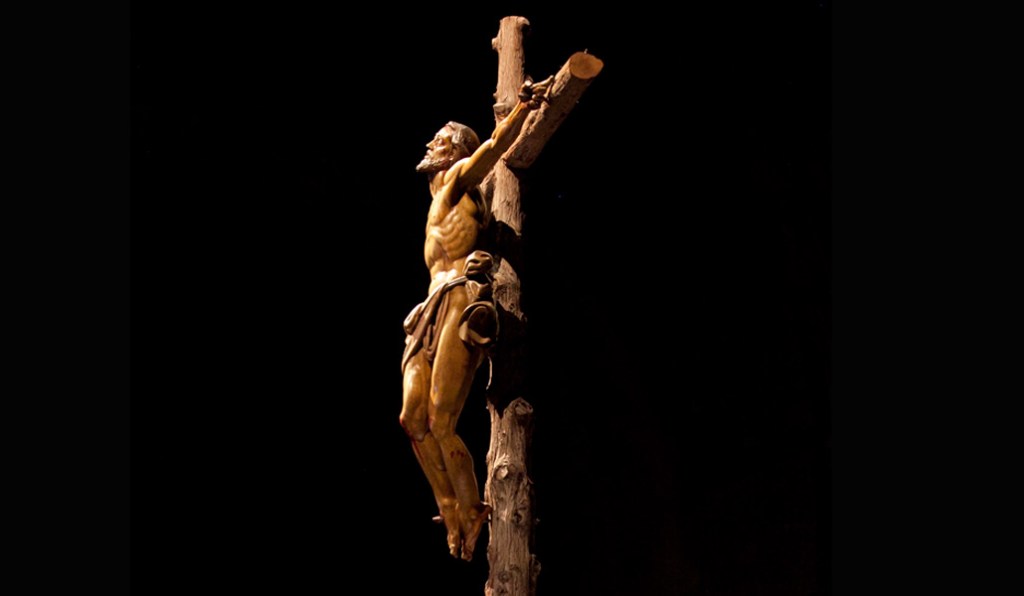
Among the world’s faiths and philosophies, Christianity stands uniquely in its transformative understanding of suffering. While many traditions view suffering as a fatalistic inevitability or as something to be escaped, Christianity presents it as a profound means of redemption, spiritual growth, and the path to eternal life.
1. Suffering as a Means, Not an End
In Christianity, suffering is not viewed as a punishment devoid of purpose nor as a mere accident of existence. Instead, it is imbued with deep significance. Through the Passion of Christ, suffering is elevated to a redemptive act. The crucifixion, a moment of ultimate anguish, becomes the gateway to resurrection and eternal life. Christians are called to follow this example, embracing their own sufferings as a way to grow closer to God and participate in His divine plan.
This perspective transforms suffering from something to be feared or resented into an opportunity for spiritual renewal. As St. Paul writes in his letter to the Romans: “We rejoice in our sufferings, knowing that suffering produces endurance, and endurance produces character, and character produces hope.” (Romans 5:3-4)
2. The Cross: The Ultimate Symbol of Redemption
The central symbol of Christianity—the cross—encapsulates this unique perspective. What was once a tool of humiliation and death became a sign of hope, salvation, and the triumph of life over death. Through Christ’s voluntary sacrifice, suffering is sanctified, and the faithful are invited to see their own trials as part of a greater cosmic narrative.
Unlike other philosophies that might seek to eliminate suffering through detachment (as in Buddhism) or view it as an inescapable condition of life (as in some strands of Stoicism), Christianity offers a path through suffering, leading to redemption. By uniting their own pain with Christ’s, believers find meaning in their struggles and are promised eternal life as their ultimate reward.
3. Suffering as a Path to Love and Transformation
Christianity teaches that through suffering, humans are refined and transformed. It is not merely endured; it is embraced as a means to grow in love, humility, and compassion. This transformation is evident in the lives of countless saints who found joy and purpose in their suffering, offering it up for the good of others or the glory of God.
Mother Teresa, for instance, saw suffering as an opportunity to unite with Christ, famously saying: “Pain and suffering have come into your life, but remember pain, sorrow, and suffering are but the kiss of Jesus—a sign that you have come so close to Him that He can kiss you.”
4. Eternal Life as the Ultimate Goal
For Christianity, the final promise that transforms suffering is eternal life. This eschatological vision gives purpose to even the darkest moments. Suffering is not the end; it is the purifying fire that leads to the eternal embrace of divine love.
The resurrection of Christ is the cornerstone of this promise, assuring believers that their suffering, when united with Christ’s, is not in vain. It points to a reality beyond death—a place of no tears, no pain, and no sorrow.
The Christian Answer to Suffering
Christianity’s perspective on suffering is unparalleled in its depth and hopefulness. By embracing suffering as Christ did, believers transform it from a meaningless tragedy into a redemptive act that leads to eternal life. This radical reimagining of suffering sets Christianity apart from other faiths and philosophies. It does not deny the reality of pain but instead imbues it with transcendent meaning, offering not just solace but a promise of ultimate victory over death.
What other faith could take something as universal and challenging as suffering and transform it into the means of redemption and eternal joy? Christianity’s answer to this question remains as profound today as it was two thousand years ago.
 Israel Centeno Author
Leave a comment