
Israel Centeno
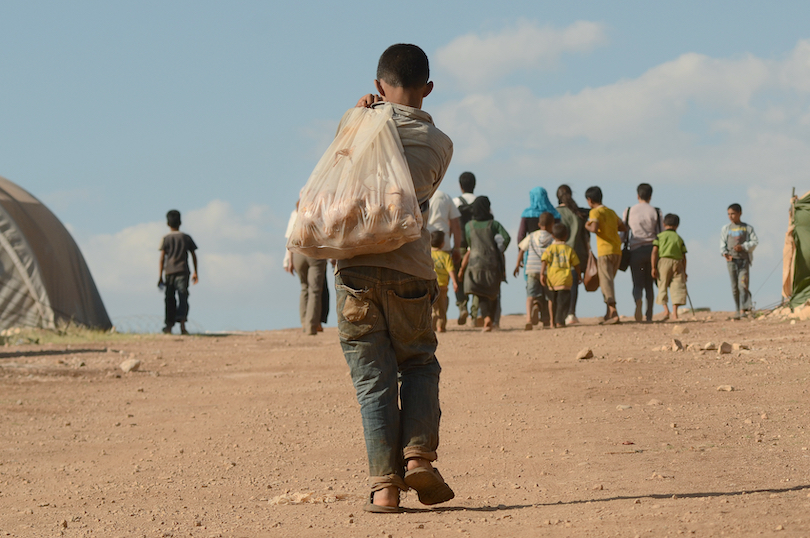
Table of Contents
- What Defines an Unaccompanied Alien Child (UAC)?
- How Are Unaccompanied Minors Treated Under U.S. Law?
- What Is the Flores Settlement Agreement?
- What Does the Flores Agreement Require from Government Agencies?
- What Happens to Children Separated from Their Families?
- Do Migrant Children Have the Right to Legal Representation?
- Can Migrant Children Qualify for Immigration Benefits?
Over the past decade, child migration to the United States has increased significantly. Many children are forced to flee their home countries due to dire circumstances, including violence and poverty. While some families migrate together, a growing number of children cross the border alone, making them particularly vulnerable to abuse, neglect, or even trafficking.
In terms of human rights, these children are often exposed to violations of their basic rights due to immigration policies that do not adequately address their unique needs as minors. Efforts are ongoing to improve the treatment of unaccompanied minors. Below, we provide an overview of the rights and protections afforded to migrant children, ensuring they are treated humanely and justly under U.S. law.
1. What Defines an Unaccompanied Alien Child (UAC)?
Under U.S. law, an unaccompanied alien child is defined as:
- A person under the age of 18.
- Without legal immigration status in the United States.
- Without a parent or legal guardian in the U.S. who is able to care for them.
2. How Are Unaccompanied Minors Treated Under U.S. Law?
When unaccompanied minors are detained by U.S. Customs and Border Protection (CBP), they are required by law to be transferred to the Office of Refugee Resettlement (ORR) within 72 hours. ORR is responsible for the custody and care of these children while their cases are processed.
ORR places children in shelters or foster care facilities until a permanent solution is determined, such as reunification with family members or placement with a sponsor. However, due to the high number of unaccompanied minors, shelters often face overcrowding, and children may remain in temporary facilities for extended periods.
3. What Is the Flores Settlement Agreement?
The Flores Settlement Agreement, established in 1997, outlines specific standards for the treatment of migrant children in U.S. custody. Named after Jenny Lisette Flores, a Salvadoran teenager whose case led to the agreement, it sets rules for the detention, care, and release of minors.
Key provisions include:
- Minors cannot be held in federal detention centers for more than 20 days.
- Facilities must provide adequate care, including food, clothing, medical care, and education.
4. What Does the Flores Agreement Require from Government Agencies?
To ensure the rights of migrant children, the Flores Agreement requires:
- Physical care: Adequate food, clothing, medical and dental care, and education.
- Family reunification efforts: Agencies must locate and reunite children with immediate family members in the U.S. whenever possible.
- Communication and language services: Children must receive information in a language they understand, including instruction in English.
- Recreational activities: Facilities must offer activities, visitation opportunities, and family contact.
- Legal assistance: Minors have the right to legal representation and must have their cases reviewed by a district court.
- Release or placement: Children must be released to their parents, close relatives, or designated sponsors as quickly as possible.
While the Flores Agreement establishes clear standards, many shelters still fail to meet these requirements, and reports of abuse or neglect persist.
5. What Happens to Children Separated from Their Families?
Efforts to reunite families are ongoing, but challenges remain, particularly in cases where parents cannot be located.
Reuniting these families is a priority, but significant resources and coordination are required to address this complex issue.
6. Do Migrant Children Have the Right to Legal Representation?
Yes, children under ORR custody have the right to legal representation. However, many are unaware of this right or lack access to qualified legal assistance. Without representation, children are at a much higher risk of deportation.
7. Can Migrant Children Qualify for Immigration Benefits?
Unaccompanied children may be eligible for certain immigration benefits, including:
- Asylum: For those fleeing persecution or violence in their home countries.
- Special Immigrant Juvenile Status (SIJS): For children who have been abused, neglected, or abandoned by their parents or guardians.
- T visas: For victims of human trafficking.
- U visas: For victims of certain crimes.
- Adjustment of status: For children with relatives who are U.S. citizens or legal residents.
Unfortunately, many children are unaware of these options and are deported without having the chance to apply for these protections.
Conclusion
The treatment of unaccompanied migrant children is a complex issue that requires a balanced approach, prioritizing both compassion and adherence to the law. These children, fleeing violence and poverty, deserve humane treatment and access to legal representation to ensure their rights are protected.
For families navigating this challenging process, seeking qualified legal assistance is essential to ensure the best possible outcome for these vulnerable minors. By upholding their rights and addressing their needs, we honor the values of justice, humanity, and dignity central to our society.
Sources
Más
Administración para Niños y Familias
ORR Unaccompanied Children Bureau Policy Guide: Section 1
Unaccompanied Children Information – HHS.gov
Migrant Children: Regulations, Rights, and Benefits | LawInfo
Child Migrants at the Border: The and Other Legal Developments
Where We Stand: A 20-Year Retrospective on the Unaccompanied Children’s
U.S. Detention of Child Migrants – Council on Foreign Relations
Administración para Niños y Familias
Unaccompanied Children Frequently Asked Questions
The facts about how the U.S. processes unaccompanied migrant children …
Fact Sheet: Unaccompanied Migrant Children (UACs)
A Guide to Children Arriving at the Border: Laws, Policies and …
Unaccompanied Alien Children: An Overview – CRS Reports
Immigration 101: Top 10 Facts About Unaccompanied Migrant Children
 Israel Centeno Author
Leave a comment