
Israel Centeno
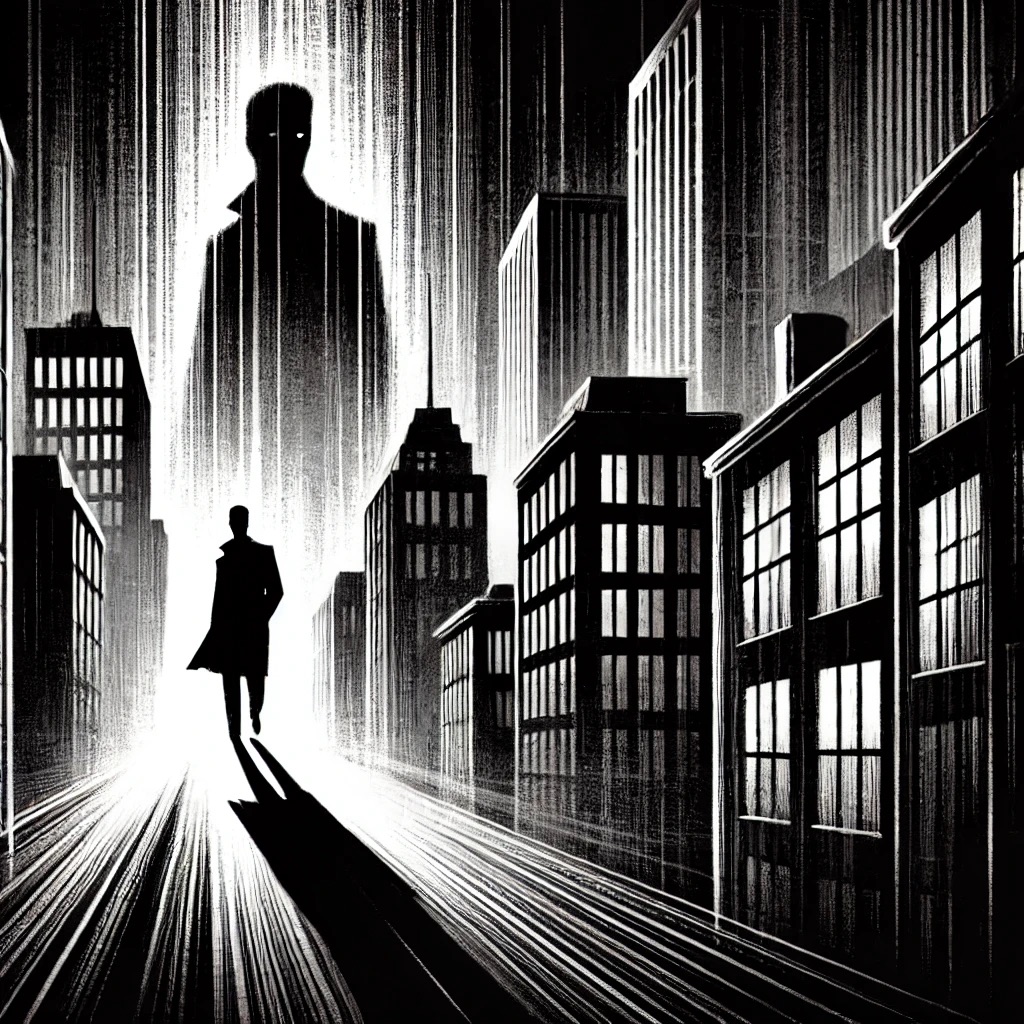
Following an interview by Tracy Certo, published in Latinos Pittsburgh—and soon to be featured in Quarterly Pittsburgh—I have revisited episodes of my life that I had long avoided addressing in depth, even in therapy. For years, I lived under constant surveillance, subjected to threats, assaults, and brief periods of torture. It was a cat-and-mouse game: capture, intimidation, release—only to repeat the cycle.
Lately, I have been deeply engaged in geopolitical discussions, a subject that interests me and where I have some insight into how the world is being reshaped. However, reading this interview has unsettled memories I had pushed aside. Every night, I experience night terrors that leave me unable to sleep. I am grateful to have a partner who understands me, yet the weight of these recollections remains.
One of the most disturbing involves a man celebrated as a hero of the so-called Venezuelan “revolution.” In the 1960s, he participated in the commando operation that kidnapped U.S. military officer Michael Smolen, intending to exchange him for the Vietnamese prisoner Nguyễn Văn Trỗi. This action earned him the status of a revolutionary hero. Decades later, he was decorated by government officials, with no mention of other aspects of his political trajectory.
I will not discuss his role in those years of conflict. My testimony focuses on what happened afterward when Hugo Chávez’s so-called revolution consolidated power. After the publication of my book El Complot, this man directed his aggression toward me and my family. He called my mother, threatening to kill me, describing in detail how he would decapitate me and place my head in a can full of excrement. He knew where my daughters went to school. His threats were not empty words—I was physically attacked on multiple occasions, detained, and beaten. Some of those scars remain on my body.
The worst incident involved my mother. One day, while on her way to visit my grandmother, he intercepted her at gunpoint in the Caracas metro, pulled her out of the train car, and cornered her. He told her he was taking her to La Vega, where he intended to rape her. At the time, my mother was 65 or 70 years old. She managed to escape thanks to her strength and the presence of witnesses. But the harassment did not stop. Until the day we left Venezuela, this man was our worst nightmare.
Today, as I search online, I see how he continues to be glorified by certain groups that celebrate his so-called heroism. But I knew a different version of him: a man consumed by hatred and sadism, who relentlessly persecuted those he considered traitors. His systematic harassment played a role in forcing every member of my family to leave Venezuela.
For years, I remained silent, fearing retaliation against those who were still in the country. But now, it is time to put these memories in order. Not just this episode, but many others. I will begin writing a journal with the intention of turning it into a book—a testimony without embellishments, without excessive adjectives, without unnecessary drama. Just the facts.
 Israel Centeno Author
Leave a comment