
Israel Centeno
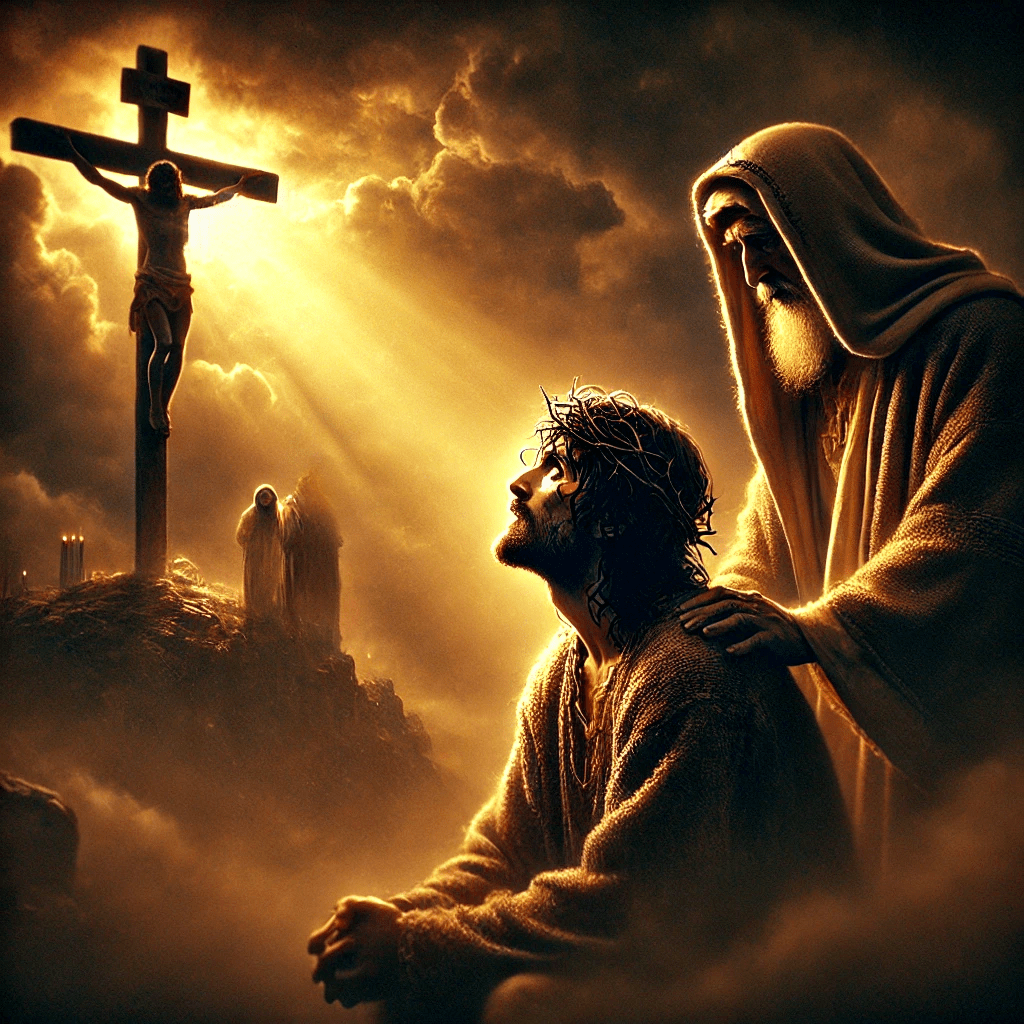
It is infuriating. Not because it is a personal whim, but because it is clear evidence of a double standard. In the digital world, the exaltation of the flesh, hypersexualization, the objectification of the human being, and the trivialization of profound matters have become commonplace. A quick look at social media reveals images that reduce the body to an object of consumption, discourses that promote unchecked vanity, and content that glorifies superficiality. All of this passes without issue, without filters, without restrictions.
But try to represent redemption. Try to depict sacrifice—not mere suffering, but suffering as a bridge to transcendence. Try to portray the story that has given meaning to millions of lives for over two thousand years. Immediately, the algorithms raise their walls, dictating that such content is unacceptable, that it must be silenced.
The sacred is censored, while the degrading is celebrated.
And it is not just about religious imagery itself. It is about a deeper process, a cultural rewriting in which the divine is erased or turned into a caricature. Faith is permitted only when it is ridiculed or transformed into an acceptable banality. However, when religion is shown with its true power—as a path, as devotion, as mystery—then it becomes uncomfortable. It becomes something that must be moderated, filtered, restricted.
This phenomenon is not new. Modernity has been striving for decades to displace the sacred, but now it does so with surgical precision. It does not persecute or burn churches, but it uses a more insidious method: silencing. It does not prevent people from speaking about religion, but it conditions how they may do so. And if what is said does not fit within the narrative of what is “acceptable,” it simply disappears.
The censorship of religious art, the prohibition of an image of the crucifixion with Dismas and Gestas, is not an isolated incident. It is a symptom of a larger process: the attempt to reduce faith to a relic of the past, to remove it from public space, to neutralize its transformative power.
Meanwhile, the void left by the sacred is filled with sentimentality, with watered-down spirituality, with an endless stream of narratives that disguise themselves as depth but lack real substance. The market of faith turned into a product, superficiality elevated to virtue, sanctity diluted into mere sentiment.
True faith—the kind that unsettles because it demands surrender and renunciation—that is the faith they seek to erase. Because those who embrace it cease to be mere consumers, cease to be shaped by trends, cease to serve the noise that surrounds them.
The question is: Are we going to allow it?
 Israel Centeno Author
Leave a comment