
Israel Centeno
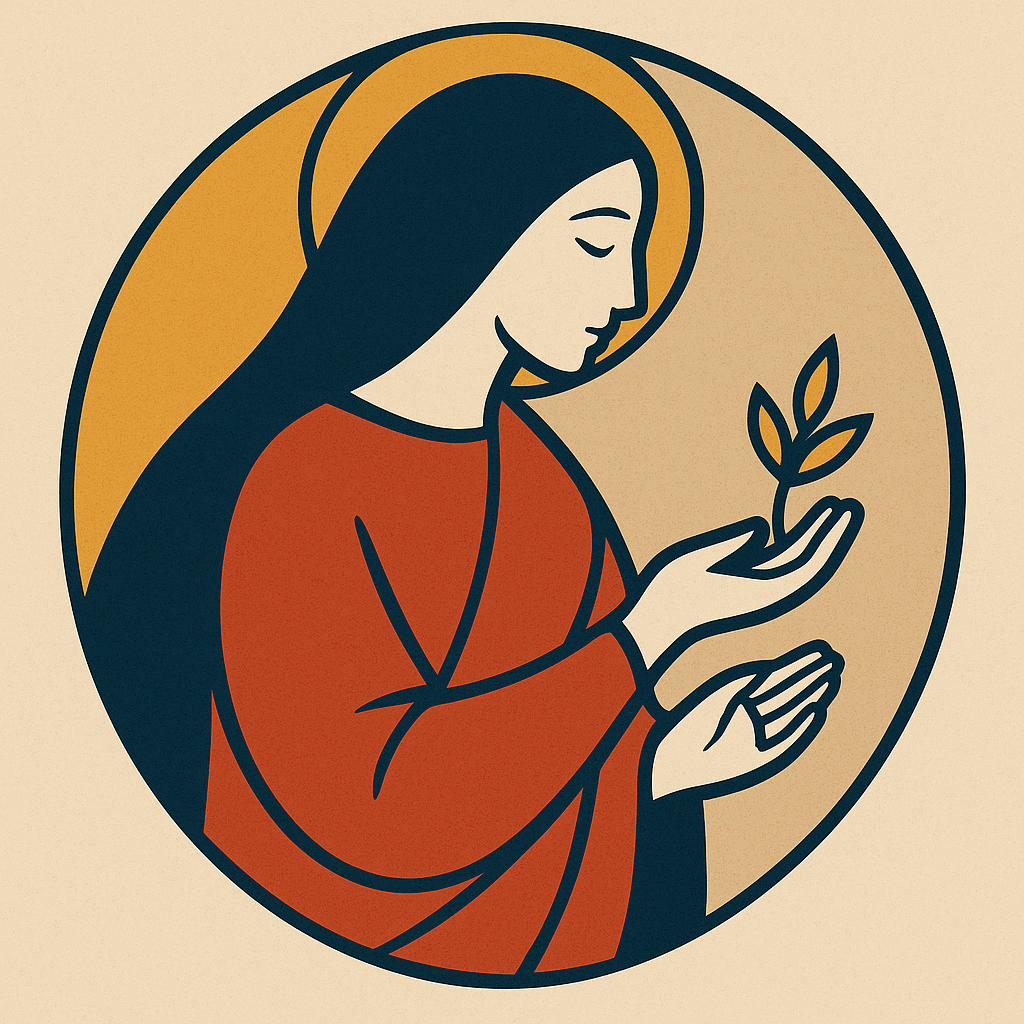
In The Vocation of Man and Woman According to the Order of Nature and Grace, Edith Stein —Saint Teresa Benedicta of the Cross— laments that the word “vocation” has been reduced to a mere professional choice. In common usage, it means little more than deciding what career to pursue or what job to take, but for Stein, vocation is a personal and objective call that comes from God, recognizing our natural capacities and orienting them toward a supernatural end. It is never simply an individual project; it is the intersection between received nature and the grace that calls.
Her reflection is rooted in the opening chapters of Genesis, where man and woman together receive the mission of being God’s image and of caring for creation. Woman is presented as a “suitable helper,” a phrase that for Stein does not imply subordination, but rather active collaboration of equal dignity. After the fall, this vocation is wounded: man’s work becomes toilsome, motherhood is linked with pain, and the relationship between the sexes loses its original harmony. Yet in the midst of the curse comes a promise: victory over the serpent will come through the woman’s offspring. From that moment, the female figure is inscribed at the very center of the plan of salvation.
For Stein, the original vocation of both man and woman is lived in a complementarity that does not erase difference. Man, more oriented toward conquest and mastery over the earth, is called to protect, defend, and guard; woman, more inclined toward welcoming and preserving life, is endowed with a special sensitivity for what is organic, for the growth of what is concrete and personal, ensuring that what exists may become what it is meant to be. This distinction is not hierarchical but reciprocal: both sets of gifts are created for mutual service, so that man, through the harmonious development of the feminine strengths, may be freed from one-sidedness, and woman, by collaborating in outward and creative tasks, may overcome her own tendency toward enclosure.
When this complementarity is broken by sin, the relationship degenerates into domination and submission. Man, forgetting that his gifts exist for the other’s development, may use them as an instrument of his own concupiscence, becoming a despot; woman, relinquishing her role as companion, may fall into voluntary servitude, reducing her life to instincts and possession. The degeneration is not only emotional: in both sexes there can emerge the tendency toward violent possession of things and persons, falsifying reality and destroying the harmony entrusted to them.
In woman, the particular danger is to reduce her mission to merely preserving what she possesses, becoming combative against all change, or to cling to her children as property, curtailing their freedom in the name of a misunderstood love. Thus, instead of putting her gifts at the service of the growth of others and the glory of God, she stifles progress and undoes happiness. Stein locates the root of this evil in the perversion of the relationship with God: in the biblical narrative, the woman, seduced, rises against Him and draws man into disobedience, and the resulting penalty is subjection to male power. The sin to which woman is more exposed, Stein says, is sensuality, and whenever she acts as seductress, she becomes, paradoxically, an instrument of that very evil against which she was entrusted to fight.
This reading is not, for Stein, a condemnation, but a call to recover the original vocation, healed and elevated in Christ. In the Gospels, Jesus acts in ways that contradict the restrictive culture of His time: He speaks and teaches women, makes them participants in His mission, entrusts Mary Magdalene with the paschal announcement, and, in a gesture without parallel, reveals to the Samaritan woman —openly and without evasion— that He is the Messiah. In that encounter, the woman becomes an apostle to her people, bearer of a revelation that neither Peter nor the other disciples had received so directly.
The tension that appears in some of Paul’s letters, especially in 1 Timothy where women are restricted from public teaching, Stein interprets as pastoral norms shaped by local circumstances, not as universal laws. The Pauline affirmation that in Christ “there is neither male nor female” is, for her, the interpretive key that harmonizes apostolic practice with the model of Jesus. If Christ entrusts women with both word and mission, the Church is called to acknowledge their full participation in the work of salvation.
In this perspective, the vocation of woman, in nature, is to welcome, guard, and nurture life; in grace, it is to cooperate with Christ in redemption; and in the present mission, it is to be a sign of God’s tenderness and fidelity in the family, in the Church, and in society. To reduce her to a secondary role is to betray both the Gospel and the dynamic of the Spirit’s gifts. From Eve to the Samaritan woman, from Mary to the women disciples of the Resurrection, Scripture bears witness that woman is a privileged channel of divine action. For Stein, recalling this is not merely an act of memory, but an urgent summons to reactivate the full participation of women in the Church’s mission, in accordance with the dignity and grace given to them from the beginning.
 Israel Centeno Author
Leave a comment