
Israel Centeno
Spanish/English
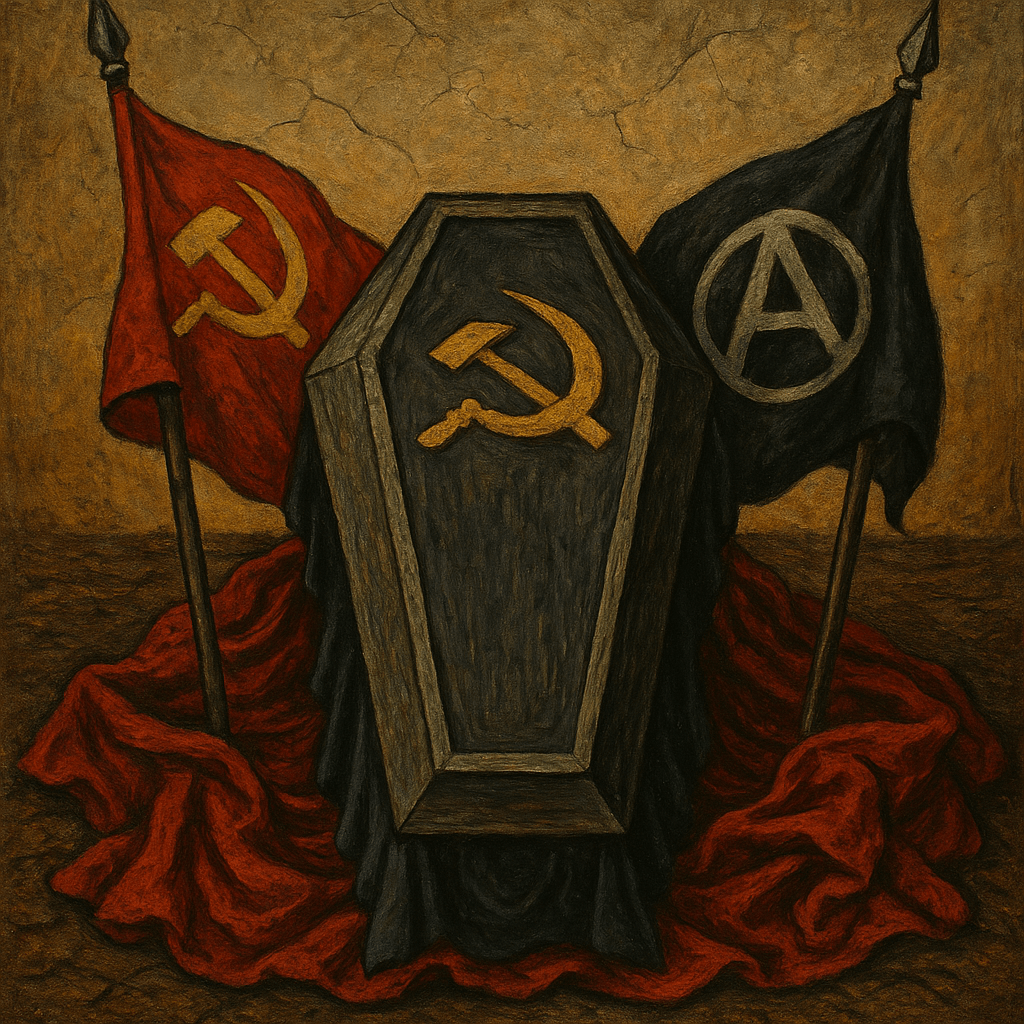
Agosto de 1936, Moscú. En la sala del tribunal, Grigori Zinóviev y Lev Kámenev esperan de pie el veredicto. Sus rostros parecen máscaras de cera bajo las luces crudas. Han confesado crímenes imposibles con voces quebradas, sabiendo que nada podrá salvarlos. Desde un rincón de la sala, anoté cada palabra en mi libreta: aquel informe lo firmaría, como siempre, únicamente con la inicial de mi nombre, el Camarada V. Horas después, sacaron a Zinóviev y Kámenev a un patio oscuro y los fusilaron. Los tiros sordos resonaron en la madrugada fría de Moscú.
La purga no acabó allí. Dos años después, Nikolái Bujarin, a quien llamaban el “Benjamín de Lenin”, se sentó en el mismo banquillo. El veredicto ya estaba escrito de antemano. En marzo de 1938, tras otro juicio farsa, Bujarin fue ejecutado. Con él caía el brillante ideólogo de la Revolución, el hombre íntegro que Lenin había admirado en sus últimos años.
Incluso Lenin presentía la tormenta antes de morir. En su testamento político advirtió que Stalin era demasiado rudo y autoritario, sugiriendo removerlo del cargo. Llegó a escribirle una carta a Stalin, exigiéndole que se disculpara por el insulto proferido contra su esposa, Nadezhda Krúpskaya. Pero aquella advertencia fue enterrada en secreto; Stalin ocultó el testamento de Lenin y consolidó su mando sin trabas.
La propia Nadezhda Allilúyeva, segunda esposa de Stalin, fue también víctima en la sombra. Una noche de noviembre de 1932 apareció muerta en su habitación del Kremlin, junto a un revólver. Algunos dijeron que se disparó al corazón; la versión oficial afirmó que falleció de una apendicitis repentina. Nadia, agobiada por las infidelidades de su marido y horrorizada por la hambruna en Ucrania, había decidido quitarse la vida. Uno de sus camaradas cercanos, el viejo sindicalista Aleksandr Shliápnikov, correría una suerte parecida años después: tras ser obligado a abjurar de sus ideas, fue acusado de conspiración y fusilado en 1937. Otro amigo sacrificado en el altar del terror.
La lista de ausentes siguió creciendo. Máximo Gorki, el escritor legendario, había regresado del exilio a Moscú en 1932 rodeado de honores. Pero su hijo, Maksim Peshkov, murió repentinamente en mayo de 1934, y dos años después fallecía el propio Gorki. Stalin cargó con solemnidad el féretro en el funeral, mas en los pasillos del poder se susurraba que agentes de la policía secreta de Yagoda habían provocado esas muertes. Una sospecha nunca aclarada flotaba sobre el destino del escritor y su hijo, como un veneno invisible.
Al otro lado de Europa, en París, la lucha tomaba otra forma. Desde un minúsculo y atestado despacho en el bulevar Montparnasse, el camarada Willi Münzenberg dirigía el primer gran club antifascista internacional. Apretujados entre montañas de periódicos multilingües, octavillas y rollos de película, trabajábamos propagandistas, periodistas y “corresponsales” soviéticos bajo múltiples disfraces. La red de Münzenberg, conectada con la Komintern, abarcaba organizaciones de ayuda, diarios, revistas, teatros e incluso un estudio de cine. Aquella infraestructura servía además de tapadera para las operaciones de inteligencia de Moscú en Occidente. Por el local desfilaban ilustres escritores y científicos europeos, atraídos por la causa. Creían luchar por la libertad, sin sospechar la telaraña de intereses que se tejía entre líneas. Yo mismo, con mi máquina de escribir y un pasaporte falso en el bolsillo, era a la vez un escritor y un espía al servicio de esa causa ambigua.
La cruzada antifascista era noble en su origen, pero en aquel club de París reinaba un silencio cuidadosamente orquestado. Celebrábamos mítines encendidos contra Hitler y Mussolini, pero nadie mencionaba los campos de trabajo en Siberia ni las fosas anónimas que proliferaban en la Unión Soviética. Cuando algún rumor sobre las hambrunas en Ucrania o las purgas de Moscú llegaba a nuestros oídos, se desvanecía de inmediato: lo descartábamos como “propaganda burguesa” y mirábamos hacia otro lado. La consigna implícita era clara: el antifascismo servía también para lavar la imagen de la tiranía estalinista. Nuestra misión era dar voz a las víctimas del fascismo, callando a las del propio régimen soviético. Trágica paradoja: combatíamos al monstruo hitleriano mientras hacíamos silencio sobre el ogro doméstico.
Todo se quebró de golpe en agosto de 1939. La firma del pacto entre Hitler y Stalin cayó sobre el movimiento antifascista europeo como un mazazo. Recuerdo el titular incrédulo anunciando la “alianza inesperada”; la noticia me dejó helado. Muchos camaradas no quisieron creerlo al principio. Otros rompieron su carné del Partido con lágrimas de furia. Habíamos dedicado años a combatir al fascismo, y de un día para otro Moscú nos ordenaba tratar a los nazis como aliados. El verdadero crimen de Stalin fue haber desmoralizado completamente a los obreros comunistas y a los antifascistas con esta maniobra humillante. En un instante la causa perdió su alma. Las promesas se volvieron ceniza y la confianza, escombros.
Willi Münzenberg no acató aquel giro cínico. Condenado por Stalin a la purga, rompió con el Partido Comunista. Cuando las tropas alemanas invadieron Francia en 1940, el gobierno francés internó a los refugiados alemanes en campos; Münzenberg terminó tras las alambradas de Chambaran. Pudo huir del cautiverio, pero jamás llegó a Suiza. En octubre de 1940 unos cazadores descubrieron su cadáver en un bosque cerca de Grenoble, en avanzado estado de descomposición. Yacía al pie de un roble, una soga aún atada al cuello. La policía local apresuró a dictaminar que se trataba de un suicidio, pero nadie se lo creyó. Todos entendimos el mensaje final. El gran maestro de la propaganda roja había sido silenciado para siempre, posiblemente víctima de una conspiración orquestada por su antiguo amo, Stalin.
La noche ha caído sobre Moscú. Escribo estas últimas líneas a la luz vacilante de una lámpara. He sido testigo y cómplice; he sobrevivido más que muchos camaradas, pero ahora siento sus presencias a mi alrededor. Zinóviev, Kámenev, Bujarin, Nadia, Gorki, Münzenberg… sus voces apagadas resuenan en mi memoria. Camino entre sus tumbas invisibles. La tierra de la Revolución se ha convertido en un vasto camposanto, el cementerio de Iósif S.
Cemetery of Iosef S
August 1936, Moscow. In the courtroom, Grigori Zinoviev and Lev Kamenev stood awaiting their verdict. Their faces looked like wax masks under the harsh lights. They had confessed to impossible crimes with broken voices, knowing nothing could save them. From a corner of the hall, I recorded every word in my notebook: the report would bear, as always, only the initial of my name—Comrade V. Hours later, Zinoviev and Kamenev were taken into a dark courtyard and shot. The muffled gunfire echoed through Moscow’s cold dawn.
The purge did not end there. Two years later, Nikolai Bukharin, once called Lenin’s “Benjamin,” sat in the same dock. His verdict had already been written. In March 1938, after another staged trial, Bukharin was executed. With him fell the Revolution’s brilliant theorist, the man Lenin had admired in his last years.
Even Lenin had sensed the storm before his death. In his political testament he warned that Stalin was too crude and authoritarian, suggesting he be removed. He even wrote a letter demanding Stalin apologize for insulting his wife, Nadezhda Krupskaya. That warning was buried in silence; Stalin hid Lenin’s testament and consolidated his rule unhindered.
Stalin’s own wife, Nadezhda Alliluyeva, also became a victim in the shadows. One November night in 1932, she was found dead in her Kremlin apartment beside a revolver. Some said she shot herself in the heart; the official version claimed she died of sudden appendicitis. Nadia, weighed down by her husband’s infidelities and horrified by the famine in Ukraine, had chosen to end her life. Her old comrade, the veteran trade unionist Aleksandr Shlyapnikov, met a similar fate years later: forced to recant his ideas, accused of conspiracy, and executed in 1937. Another friend sacrificed on the altar of terror.
The roll of the dead grew longer. Maxim Gorky, the legendary writer, had returned from exile in 1932 surrounded by honors. But his son, Maxim Peshkov, died suddenly in May 1934, and two years later Gorky himself was gone. Stalin bore his coffin solemnly at the funeral, yet in the Kremlin’s corridors it was whispered that Yagoda’s secret police had arranged their deaths. A suspicion, never erased, hung over the fate of the writer and his son like a silent poison.
Elsewhere in Europe, in Paris, the struggle took another form. From a cramped office in Montparnasse, Comrade Willi Münzenberg directed the first great international antifascist club. Surrounded by stacks of newspapers, pamphlets, and reels of film, we worked as propagandists, journalists, and “correspondents” under many disguises. Münzenberg’s network, tied to the Comintern, encompassed charities, newspapers, theaters, even a film studio. It also served as a cover for Moscow’s intelligence operations in the West. Famous writers and scientists drifted through, drawn by the cause. They believed they were fighting for freedom, never suspecting the web of interests woven between the lines. I myself, with my typewriter and false passport in my pocket, was both writer and spy in the service of that ambiguous cause.
The antifascist crusade was noble in its origins, yet inside that Parisian club a careful silence reigned. We held fiery rallies against Hitler and Mussolini, but no one spoke of the labor camps in Siberia or the nameless graves multiplying across the Soviet Union. Rumors of Ukrainian famine or Moscow show trials evaporated as “bourgeois propaganda.” The unspoken rule was clear: antifascism also served to launder Stalin’s tyranny. We gave voice to the victims of fascism while silencing those of our own regime. A tragic paradox: we fought the Hitlerian monster while shielding the Soviet ogre.
All collapsed at once in August 1939. The Hitler–Stalin Pact struck Europe’s antifascist movement like a hammer. I remember the incredulous headline announcing the “unexpected alliance”; it froze me cold. Many comrades refused to believe it at first. Others tore up their Party cards in tears of rage. We had devoted years to fighting fascism, and overnight Moscow ordered us to treat the Nazis as allies. Stalin’s true crime was the complete demoralization of communists and antifascists alike. In a single stroke, the cause lost its soul. Promises turned to ash, trust to rubble.
Münzenberg would not accept the cynical turn. Condemned by Stalin, he broke with the Party. When German troops invaded France in 1940, the French government interned German refugees in camps; Münzenberg ended up behind the barbed wire of Chambaran. He managed to escape but never reached Switzerland. In October 1940, hunters found his decomposed body in a forest near Grenoble, a rope still around his neck. Local police hastily declared suicide, but no one believed it. We all understood the message. The great master of Red propaganda had been silenced forever, likely by the same hand that once commanded him: Stalin’s.
Night has fallen over Moscow. I write these final lines by a flickering lamp. I have been both witness and accomplice; I have survived longer than many comrades, but now I feel their presence around me. Zinoviev, Kamenev, Bukharin, Nadia, Gorky, Münzenberg… their muted voices echo in my memory. I walk among their invisible graves. The soil of the Revolution has become a vast cemetery, the cemetery of Iosef S.
 Israel Centeno Author
Leave a comment