
Israel Centeno
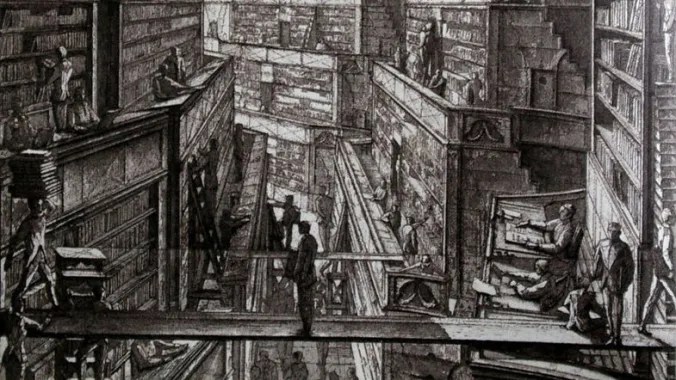
A reader trained today to detect writing assisted by automated models would likely pause over Jorge Luis Borges with suspicion. Not because of factual errors, but because of unease. The prose is austere to the point of severity. Syntax does not stumble. Vocabulary feels deliberate, almost ascetic. There is no confessional tone, no psychology laid bare, no guidance offered to soften the path. Meaning arrives without preface.
A superficial analysis would raise flags. Sustained clarity. Sentences that do not justify themselves. Ideas that appear already embodied, without scaffolding. An intense intertextual weave—libraries, real and apocryphal authors, citations that seem to emerge from an endless archive. To an untrained eye, this texture could resemble mechanical recombination. The mistake would lie there: mistaking control for automatism.
Borges does not comment on his method. He does not explain what time is doing inside a story; he lets it bend the narrative until it fractures. He does not announce a moral; he sets a trap that closes late. He does not balance for harmony; he cuts when the effect has already taken place. The story ends, and the reader is left alone with a thought that offers no comfort.
A more attentive hunter would notice something decisive. There is no consoling closure. No guiding hand. No reward for compliance. Meaning is not delivered as a package. Silences remain where a model would tend to fill. Endings refuse instruction. That refusal—this confidence in the reader’s intelligence—breaks the pattern of contemporary automatic writing.
Borges might be suspected for his formal perfection. He would be cleared by his risk. Not because of form alone, but because the text withdraws from commentary, avoids prefabricated morality, and leaves an open wound. Where a machine explains, Borges steps away. Where clarity promises safety, Borges leaves an exposure.
Anyone who can read him today will recognize that the suspicion does not arise from the artificial, but from the rare: a kind of writing that does not ask permission, does not teach how to think, and thinks in front of the reader without announcing itself. That rarity, more than any detector, remains the clearest mark of a human voice at its most demanding.
 Israel Centeno Author
Leave a comment